
Bioleather: Reimagining Leather for a Sustainable Future

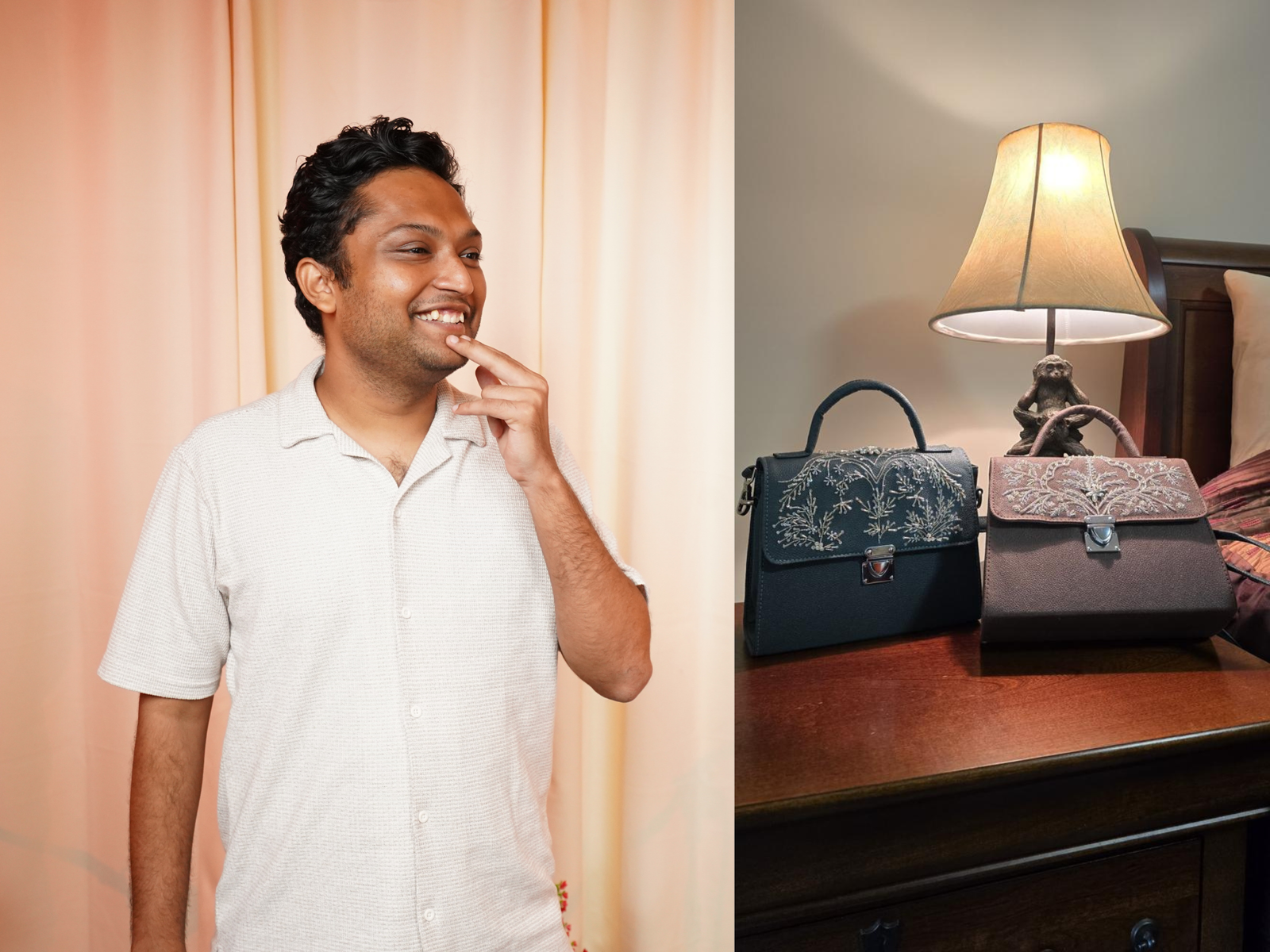
By the Founder’s Journey from Waste to Worth
In a world questioning the true cost of materials, leather sits at a crossroads. Traditional animal leather carries heavy environmental and ethical baggage, while most “synthetic” alternatives rely on PU and PVC—plastics that trade one problem for another. Bioleather was born to challenge both.
At its core, Bioleather is not a product brand chasing trends. It is a material innovation company focused on building next-generation leather alternatives that are practical, scalable, and genuinely better for the planet.
The Problem with Conventional Leather Alternatives
For decades, the fashion and interiors industries have been forced into a compromise. Animal leather involves water-intensive tanning, toxic chemicals, and ethical concerns. On the other side, artificial leather often uses fossil-fuel–based plastics that don’t biodegrade and contribute to microplastic pollution.
The industry needed a third path one that performs like leather, looks like leather, but doesn’t behave like plastic in the environment.
That gap is where Bioleather stepped in.
What Is Bioleather?
Bioleather is a plant-based leather alternative engineered using agricultural waste most notably tomato waste combined with natural textiles like cotton canvas and biodegradable binders. The result is a flexible, durable material designed for real-world applications, not lab showcases.
Key characteristics of Bioleather include:
- PU & PVC free
- Plant-based and bio-engineered
- Cotton-backed for strength and workability
- Designed for fashion, accessories, upholstery, and interiors
- Focused on biodegradability and lower environmental impact
Unlike many experimental materials, Bioleather is developed with manufacturers and designers in mind. It can be cut, stitched, textured, and produced at scale making it suitable for brands that want to move beyond prototypes.
From College Project to Material Company
Bioleather was founded by Pritesh Mistry, whose journey began far from glossy fashion runways.
While working on his final-year academic project, Pritesh visited several leather tanneries in Kanpur, one of India’s largest leather hubs. What he saw left a lasting impact polluted water bodies, chemical waste, and communities bearing the environmental cost of leather production.
Around the same time, visits to agricultural regions revealed another overlooked issue: massive food waste, especially from tomatoes that fail to meet market standards.
From OYO to YOJO: How Anurag Alluri Is Organizing India’s Farmstay Economy