
He Isn’t Chasing the Cockpit. He’s Rebuilding the System That Leads to It.

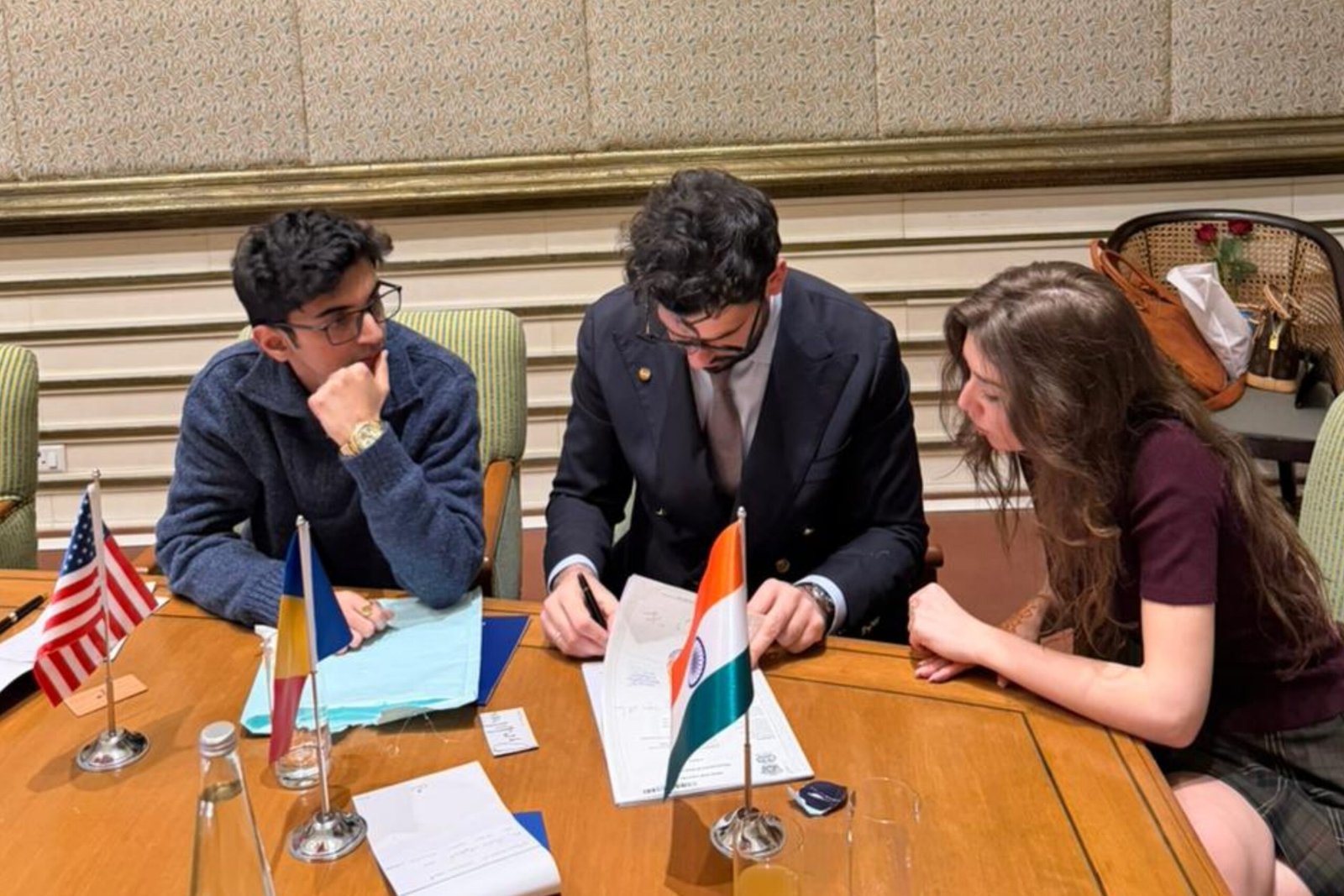
At an age when most people are still trying to figure out what they want to do, Prabhu Agarwal has already identified what an entire global industry is missing.
Aviation has expanded at an unprecedented pace. Aircraft fleets are growing, airlines are scaling, and demand for pilots is rising worldwide. Yet for students who want to enter the industry, the pathway remains fragmented, expensive, and confusing.
This disconnect is what Prabhu noticed early — not from inside an aircraft, but from the ground, as a student trying to understand how aviation actually works.
While aviation inspires millions, the journey into it often feels inaccessible. Information is scattered, guidance is inconsistent, regulations feel opaque, and students are left to navigate critical decisions without a clear roadmap. For many, the challenge is not capability or ambition — it is clarity.
That realization became the starting point.
Seeing the Problem Before Choosing the Path
Prabhu’s exploration began in modest settings — late nights in a hostel room, laptops open, books stacked around him, and long conversations dissecting how pilots are actually trained, licensed, and placed into the industry.
The deeper he went, the clearer one thing became.
The problem was not talent.
The problem was structure.
Aviation education, in many parts of the world, still relies on outdated systems that were never designed for scale, transparency, or accessibility. Students are often pushed toward expensive training without understanding the sequence, risks, or long-term implications of their choices.
Instead of accepting this as the norm, Prabhu began asking a different question:
What if the system itself was redesigned?
A Global Pattern, Not a Local One
As his research expanded, Prabhu began speaking with professionals across borders who had witnessed the same challenges from entirely different roles.
Daiana Dajulescu, an airline pilot who has operated major commercial aircraft, repeatedly encountered students across countries struggling not because they lacked discipline or ability, but because no one had clearly explained the pathway into aviation. From her perspective, the issue was not training quality — it was the absence of transparent guidance at the entry level.
From another angle, Tudor Colțan, a European business lawyer, observed how outdated legal and regulatory frameworks quietly restricted access for aspiring pilots. His insights confirmed that these barriers were not isolated to one country. Structural inefficiencies were embedded across regions.
Different professions. Different geographies.
Same conclusion.
The pathway into aviation is broken — globally.
Building Foundations, Not Noise
Rather than creating another conventional training program, Prabhu chose a fundamentally different approach.
The objective is not to replace existing institutions, but to address what they were never built to solve: clarity, accessibility, and confidence for first-time entrants.
This approach reflects the mindset of an infrastructure builder, not a content creator.
Quiet Work, Long-Term Vision
Prabhu does not publicly reveal much about what he is building.
There are no loud announcements or rushed launches. Progress, in his view, should speak before promotion. Those close to the work describe a vision that extends far beyond a single platform or geography.
What is clear is that the focus is not short-term visibility, but long-term systemic impact.
India’s aviation ecosystem is evolving rapidly. But meaningful change will not come from aircraft alone — it will come from the systems that prepare the people who fly them.
A Builder, Not a Spectator
Prabhu Agarwal is not trying to enter aviation the traditional way.
He is rebuilding the runway so thousands of others can.
By combining the determination of Prabhu Agarwal, the operational insight of Daiana Dajulescu, and the structural clarity of Tudor Colțan, a new model is quietly taking shape — one that could influence how future pilots across the world find their way into the cockpit.
The story is just beginning.
But if early work is any indication, the next chapter of aviation education may be written not in a boardroom or a cockpit — but by someone who chose to fix the system before flying through it.
| Select Nature’s Makhana story – How a Bihar Entrepreneur Built a ₹3 Crore Monthly Brand | Nature’s Makhana story – How a Bihar Entrepreneur Built a ₹3 Crore Monthly Brand |
|---|