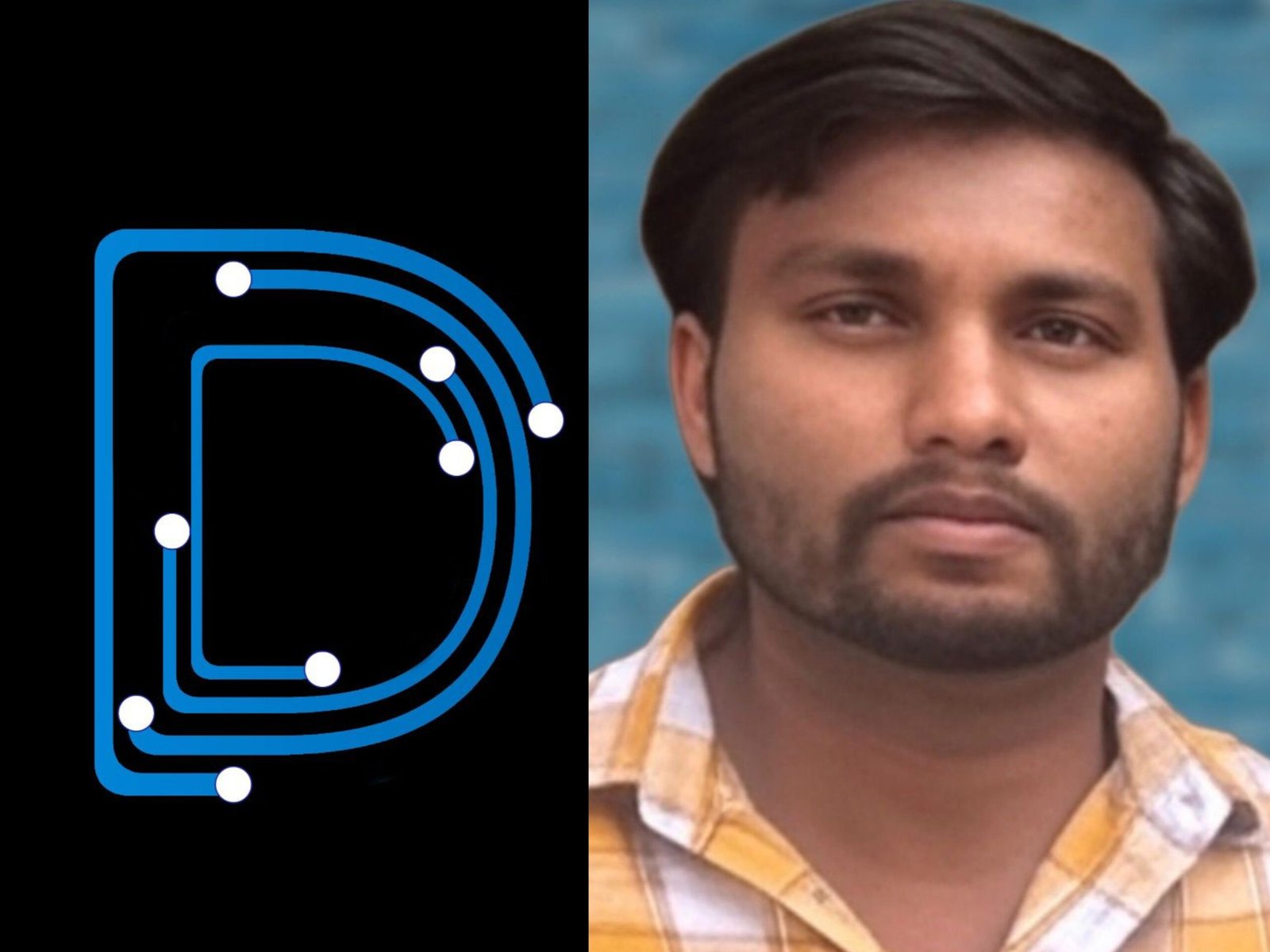
My journey started during my college days.
In 2020, while pursuing my B.Tech, I began building small apps out of curiosity. I didn’t have a big plan or vision at that time. I simply enjoyed creating things. Writing code felt exciting, and seeing something work gave me a sense of achievement. Around the same period, I watched several startup and tech-based movies like The Social Network, Jobs, The Founder, and Super Pumped. Those stories slowly influenced my thinking and made me curious about startups.
In 2021, I built my first social media platform based on a nearby people concept and shared it with my friends. Watching them use something I had built gave me a feeling I had never experienced before. That moment changed everything for me. From that day, I became deeply interested in startups and product building.
But real life had its own plans.
I come from a middle-class family. We had financial responsibilities and loans to manage. Because of that, I had to prepare for placements even though my interest was not there. After graduation, I joined a company. From the outside, it looked like everything was settled. But internally, I felt empty.
I missed the satisfaction of building something of my own.
After working for about a year, by the end of 2023, my mind was filled with confusion. I wanted to solve a real-world problem but didn’t know where to start. One normal day, while scrolling endlessly on Instagram, I realized how much time I was wasting. I was talking less with friends, staying indoors more, and slowly feeling lonely. That moment made me reflect deeply.
Social media platforms were full of content, promotions, views, and followers.
But real connection was missing.
People were forgetting how to socialize. Loneliness was increasing silently. I wasn’t alone in feeling this—my friends felt the same.
In early 2024, I decided to stop thinking and start executing. I strongly believe execution is more important than ideas. Between January and April, I started building seriously. At the same time, I was still working a full-time job. I would reach home around 8 PM, start coding by 9 PM, and continue until 3 AM. This became my daily routine for months.
I handled everything alone—frontend, backend, servers, and UI.
On January 19, Destiny was launched.
That night, we got 500 users in a single night. I felt extremely happy and motivated. But reality came quickly. Some users misunderstood the app as a dating platform. Negative reviews started coming in. The app had bugs, the UI wasn’t smooth, and performance issues were everywhere.
It hurt—but it was honest feedback.
I went back, fixed issues, rebuilt the app, and relaunched it. Technically, it was better, but after some time, users started leaving again. That phase was very difficult. I kept asking myself why people weren’t staying.
That’s when I realized something important.
Startups don’t fail only because of technology.
They fail because of poor product understanding.
I paused again and spent time understanding the market, redesigning features, improving safety, and rethinking the business model. I failed many times, but every failure taught me something new.
After those three months, we did a small promotion. This time, things worked differently. In one month, we gained 10,000 users and generated ₹15,000 in revenue. By August, we crossed 35,000 users and ₹1 lakh in revenue.
That’s when I truly understood that startups grow when the product fits people’s lives—not just when the code works.
This journey was not easy. I failed many times. I worked consistently for almost 1.5 years. I lost sleep, skipped proper meals, and stayed disconnected from friends. My mind was always thinking about the product.
I also realized I couldn’t build everything alone.
I reached out to investors and sent emails to thousands of them. Most rejected me, saying social media needs a lot of patience and capital. It was discouraging—but I didn’t stop. Because this problem is real. I faced it. My friends faced it. And many more people will face it.
Eventually, my friends joined me. Destiny became a 4-member team. From September to December, we worked hard and scaled the platform to 65,000 users and ₹5,00,000 in total revenue.
Today, Destiny stands as a result of pure passion and persistence.
- 500 users in a single night
- 10,000 users in a single month
- 80,000+ chat transactions in a single day
- Users spending 6+ hours in audio chats
- Average app usage crossed 8 hours
- ₹5,00,000+ total revenue
- Launched Destiny’s AI assistant — PEP AI
More than numbers, what makes me proud is that Destiny helped thousands of people turn from strangers into real friends.
Coming from a middle-class background, this journey has been challenging but meaningful. I learned patience, resilience, and deep product understanding. I didn’t just build a startup—I built myself.
And this is only the beginning.
2026 is all about executing bigger and building better.